
Fire suppression systems, designed and installed in Lebanon.
Some rooms cannot be flooded with water. In a server hall, a switchgear room, an archive or a generator bay, water and powder do damage of their own, usually to the equipment the fire never reached. A gas suppression system puts the fire out and leaves nothing to clean up.
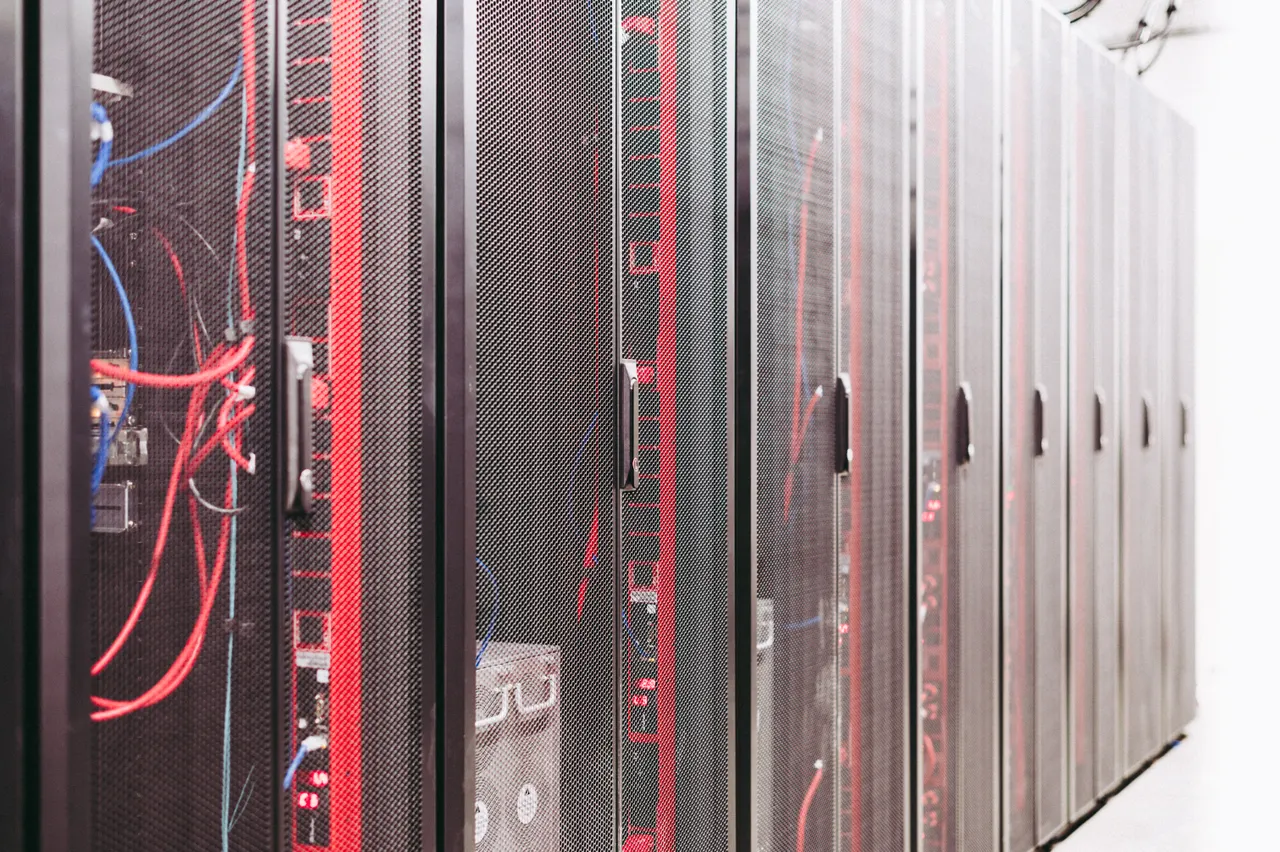
The cylinder is the smallest part.
People ask for an FM-200 cylinder the way they ask for an extinguisher, but a cylinder is one component of something much larger. A room is protected by a designed system: an agent quantity calculated from the volume of that specific enclosure, a pipe network sized so the agent arrives everywhere at once, nozzles positioned to reach the whole space, detection that agrees with itself before it fires, a panel that runs the sequence, interlocks that seal the room, and the signage and documentation that let the next person understand what they are standing in.
We supply and install all three of the systems below, and we service them afterwards. The right one depends on what is in the room, whether anyone works in it, and what replacing the contents would cost.
The room decides which one.
FM-200
HFC-227ea
Fast, residue-free clean agent for server rooms, switchgear and archives.
Read the detail NFPA 12CO₂
Carbon dioxide
High-pressure total flooding and local application for unoccupied industrial hazards.
Read the detail NFPA 2001Novec 1230
FK-5-1-12
The low-impact clean agent for data centres, control rooms and occupied technical spaces.
Read the detailFM-200 vs CO₂ vs Novec 1230.
No agent wins on every row below. The right one is whichever suits the hazard you have.
| FM-200 | CO₂ | Novec 1230 | |
|---|---|---|---|
| Agent | HFC-227ea | Carbon dioxide | FK-5-1-12 |
| Standard | NFPA 2001 | NFPA 12 | NFPA 2001 |
| How it suppresses | Absorbs heat | Displaces oxygen | Absorbs heat |
| Discharge time | Within 10 seconds | Longer, by design, to allow evacuation | Within 10 seconds |
| Occupied spaces | Yes, at design concentration | No. Unoccupied hazards only | Yes, with a wide safety margin |
| Residue | None | None | None |
| Environmental profile | Hydrofluorocarbon, zero ozone depletion | Naturally occurring | Zero ozone depletion, GWP under 1 |
| Relative agent cost | Similar to FK-5-1-12 | Lowest | Similar to HFC-227ea |
| Best suited to | Server rooms, switchgear, archives | Machinery spaces, generators, spray booths | Data centres, control rooms, collections |
Before you specify anything.
Which fire suppression system do I need?
It comes down to three questions. Does anyone work in the room? If yes, CO₂ is out. Is the hazard heavy industrial machinery in a space that stays empty? Then CO₂ is usually the most economical answer. Is it electronics, records or a collection, in a room people enter? Then a clean agent, and since the two price similarly here, the choice between FM-200 and FK-5-1-12 comes down to environmental profile and occupant safety margin rather than budget.
What is the difference between a clean agent and CO₂?
A clean agent under NFPA 2001 suppresses mainly by absorbing heat, at concentrations that leave a room breathable. CO₂ under NFPA 12 suppresses by displacing the oxygen itself, at concentrations that do not. Both leave no residue. Only one of them is safe to discharge into a room with a person in it.
Can a suppression system be installed in an existing building?
Yes, and most of ours are. The constraint is rarely the equipment. It is the enclosure: the room has to hold the agent at concentration long enough to work, so openings need sealing and ventilation needs interlocking. That work is part of the survey, and it is usually what separates two quotes with very different numbers on them.
How much does a fire suppression system cost in Lebanon?
The agent quantity is calculated from the volume of the enclosure, so price scales with the room rather than with a list. A small comms room and a generator hall are not in the same bracket. Call us with the dimensions and the contents and we will come and measure it.
Do you service systems you did not install?
Yes. Bring us the as-built drawings and the last commissioning record if you have them. If you do not, we will start by establishing what is actually there, because there is no way to service a system properly without knowing what was installed and what it was calculated for.
What does UL-listed and FM-approved mean?
They are two independent third-party approvals that answer different questions. UL tests a product against published safety standards and lists it. FM Approvals tests it for property-loss performance. A component carrying both has passed two sets of tests written by organisations looking for different things.
Tell us the room. We will tell you what protects it.
Dimensions, what is in it, and whether anyone works in there. That is enough to get us out to survey the room and price the job from its actual volume.